Full Title: Flow & Stock Condition of the Japanese Economy [Article No. 1.2.1]
日本語タイトル:日本経済のフローとストックの状況 [記事 No. 1.2.1]
Posted on March 31, 2026.
[Figures]
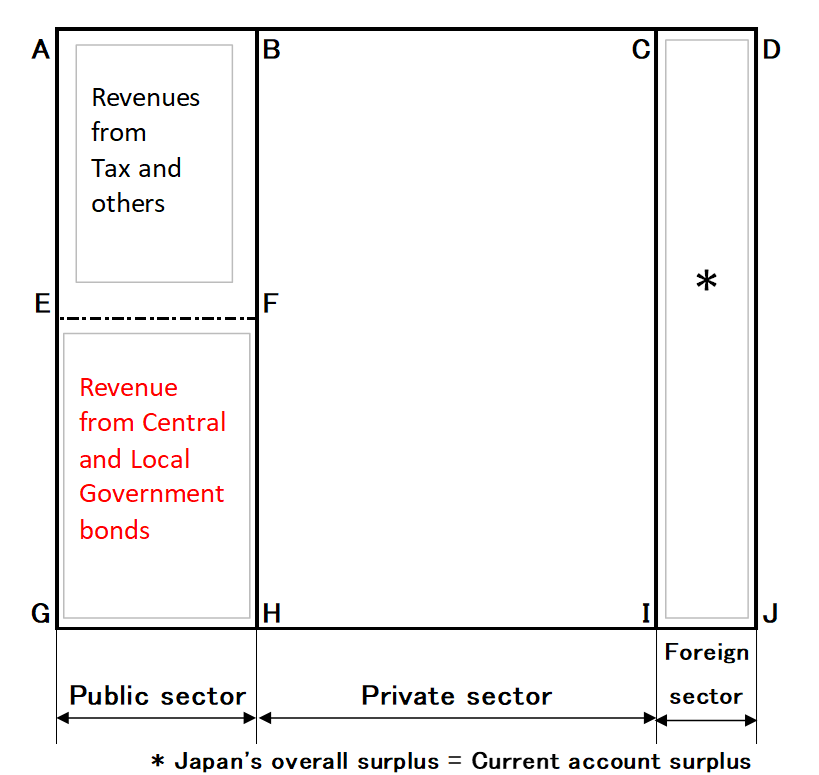
Figure 1 Flow Condition of the Japanese Economy regarding Value Added (Income): Schematic diagram
Figure 1 付加価値(所得)に関する日本経済のフロー状況: 模式図
Notes:
ADJG: Gross National Income (GNI); ACIG: Domestic expenditure;
BCIH: Private-sector expenditure; ABHG: Public-sector expenditure;
EFHG: Public-sector budget deficit
(注)ADJG: Gross National Income (国民総所得); ACIG: 国内支出; BCIH: 指摘セクター支出
; ABHG: 公的セクター支出; EFHG: 公的セクター(政府部門)財政赤字
*Japan’s overall surplus = 日本全体での黒字;Current account surplus = 経常(収支)黒字.
Source: By Yoshida.
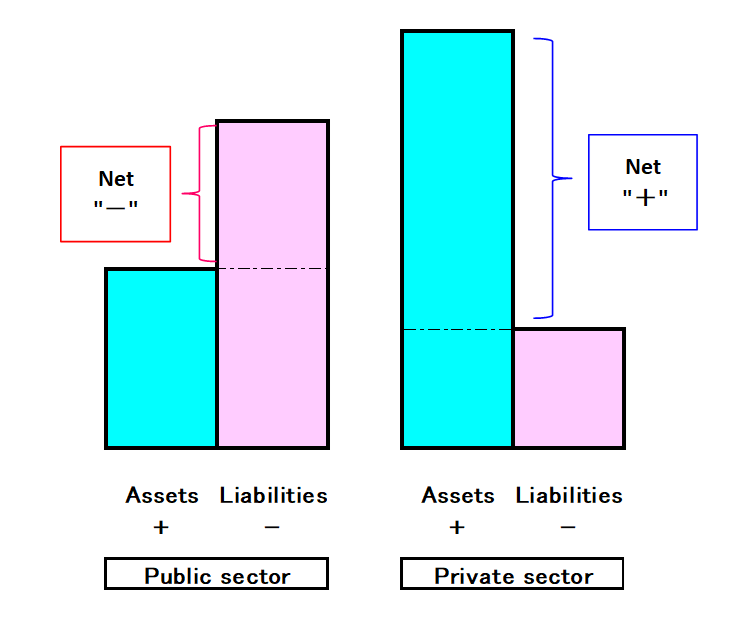
Figure 2 Stock Condition of the Japanese Economy regarding Financial Assets & Liabilities: Schematic diagram
Figure 2 金融資産(Assets)と負債(Liabilities)に関する日本経済のストック状況: 模式図
Source: By Yoshida.
[Facts]
(注意)以下の内容は著者(私)がアクセス可能なSNA(国民経済計算)データから確認できた事実である.
- 日本経済の付加価値(所得)のフロー状況について
- 1981年以降,国全体では継続的に黒字,すなわち,経常(収支)黒字状況にある.同じことを海外セクターから見た場合,「海外セクター(部門)は赤字」と表現される.
- 1993年以降,公的セクターは継続的に財政(収支)赤字状況にある.
- まとめると,日本経済全体の付加価値(所得)のフロー状況は1993年以降 Figure 1 のとおりである.
2. 日本経済の金融資産・負債のストック状況について
- 1969年以降,国全体では継続的に対外純(Net)金融資産を保有し続けている.
- 1976年以降,公的セクターは継続的に純(Net)金融負債を保有し続けている.
- まとめると,日本経済全体の(対外)金融資産・負債のストック状況は1976年以降 Figure 2 のとおりである.
Note: The following statements are based on facts verified by the author, i.e., me using SNA (System of National Accounts) data available to me.
- Regarding value-added (income) flow condition of the Japanese economy
- The Japanese economy as a whole has consistently maintained a surplus, i.e., a current account surplus since 1981. From the viewpoint of the foreign sector, this is expressed as “the foreign sector is in deficit.”
- The public sector of Japan has consistently maintained a deficit, i.e., a budget (account) deficit since 1993.
- In summary, the flow condition of value added (income) of the Japanese economy as a whole is shown as in Figure 1 since 1993.
2. Regarding stock condition of financial assets & liabilities of the Japanese economy
- The Japanese economy as a whole has consistently held net financial assets to the rest of the world since 1969.
- The public sector of Japan has consistently held net financial liabilities since 1976.
- In summary, the stock condition of financial assets & liabilities of the Japanese economy as a whole is shown as in Figure 2 since 1976.
[Discussion]
以下は,著者(私)の研究者としての知見と経験に基づく蓋然性の高い仮説である.
[仮説1]
日本の多くの人々は日本の公的セクター(政府部門)が長い期間財政赤字状態にあることは理解している.しかし,一方,少なくない人々が日本経済全体では過去40年以上に亘って経常黒字を維持し続けていることを明確には理解できていない.すなわち,少なくない人々が政府(部門)の赤字を国(一国経済全体)の赤字として誤認している可能性がある.
[仮説2]
日本の多くの人々は日本の公的セクター(政府部門)が純金融負債を長い期間保有し続けていることは理解している.しかし,一方,少なくない人々が日本経済全体では過去50年以上に亘って対外純金融資産を保持し続けていることを明確には理解できていない.すなわち,少なくない人々が政府(部門)の借金を国(一国経済)全体の借金として誤認している可能性がある.
The following are highly plausible hypotheses based on the author’s (my own) knowledge and experience as a researcher.
[Hypothesis 1]
Many people in Japan understand that the Japanese public sector (government) has been running a fiscal deficit for a long term. However, a significant number of people do not clearly understand that the Japanese economy as a whole has maintained a current account surplus for more than 40 years. In other words, it is possible that a significant number of people mistakenly view the government’s deficit as a deficit of the Japanese economy as a whole.
[Hypothesis 2]
Many people in Japan understand that the Japanese public sector (government) has hold net financial liabilities for a long term. However, a significant number of people do not clearly understand that the Japanese economy as a whole has maintained net external financial assets for over 50 years. In other words, it is possible that a significant number of people mistakenly view the government’s debt as the debt of the Japanese economy as a whole.
コメント